Application
Gas extracted from a reservoir typically contains water vapour. The concentration depends on the temperature, pressure and conditions of the reservoir bed it comes from. Removing that water is known as dehydration.
The duty is driven by three requirements:
Triethylene glycol (TEG) is the glycol most widely used in contactor dehydration. Ethylene glycol (EG) is more often injected into the gas to prevent hydrates in chilling processes. The choice depends on the process and its operating temperature.
Process
Water-saturated gas passes through an inlet scrubber to remove contaminants before contacting the glycol, which protects the performance and longevity of the solvent. The scrubbed wet gas enters the contactor tower and meets the down-flowing glycol.
Trays or structured packing inside the contactor provide the contact area for the glycol to absorb water. Dry gas leaves the top of the contactor; water-rich glycol leaves the bottom for regeneration.
System configuration
System configuration varies with process duty, operating conditions and project requirements.
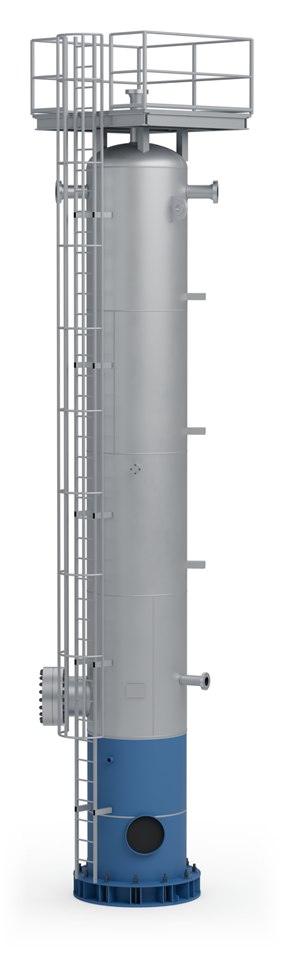
Removes contaminants from the wet gas before it meets the glycol; typically integrated with the contactor.
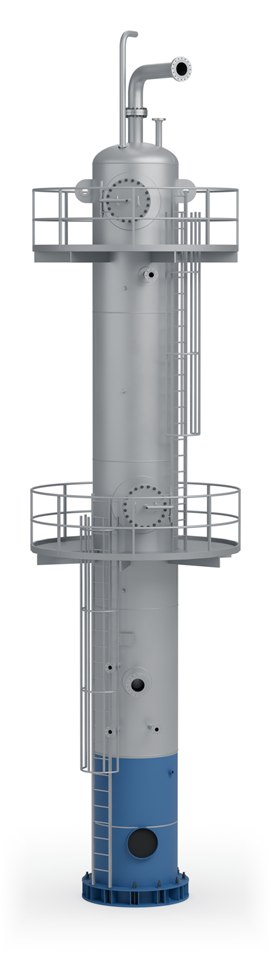
Brings the wet gas into contact with down-flowing glycol over trays or structured packing, where the water is absorbed.
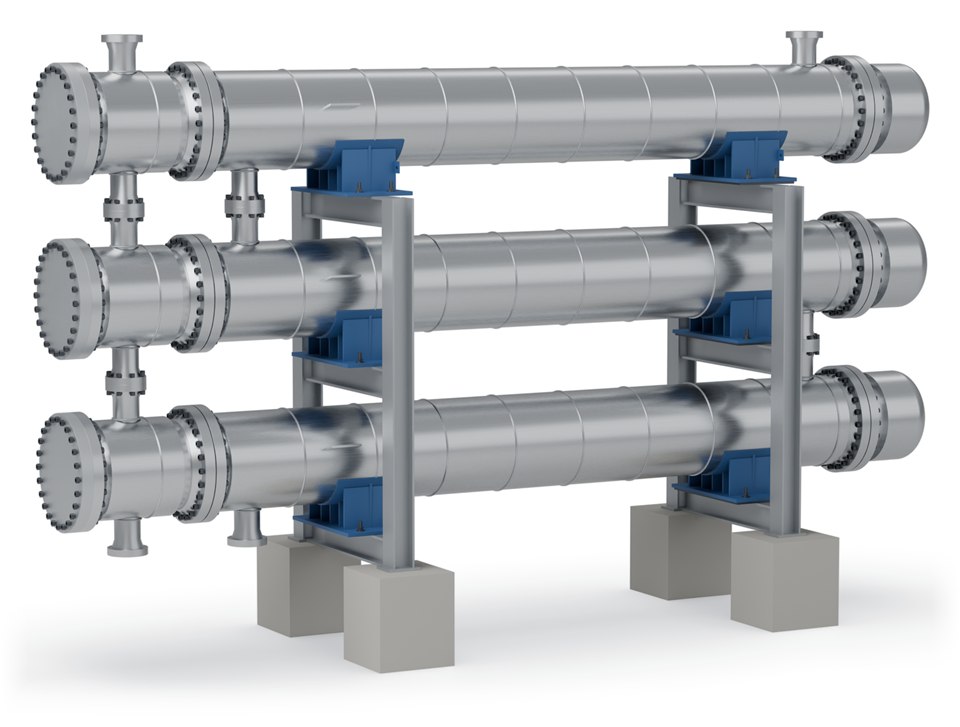
Cools the lean glycol against the dry gas before the glycol enters the top of the contactor.
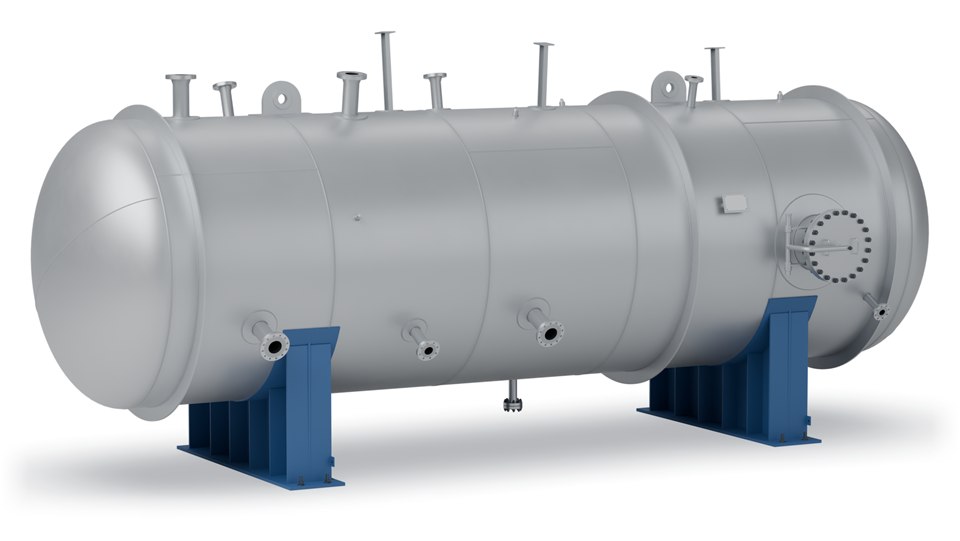
Releases the gas entrained in the rich glycol.
Preheats the rich glycol on its way to the reboiler and gives the lean glycol its first cooling.
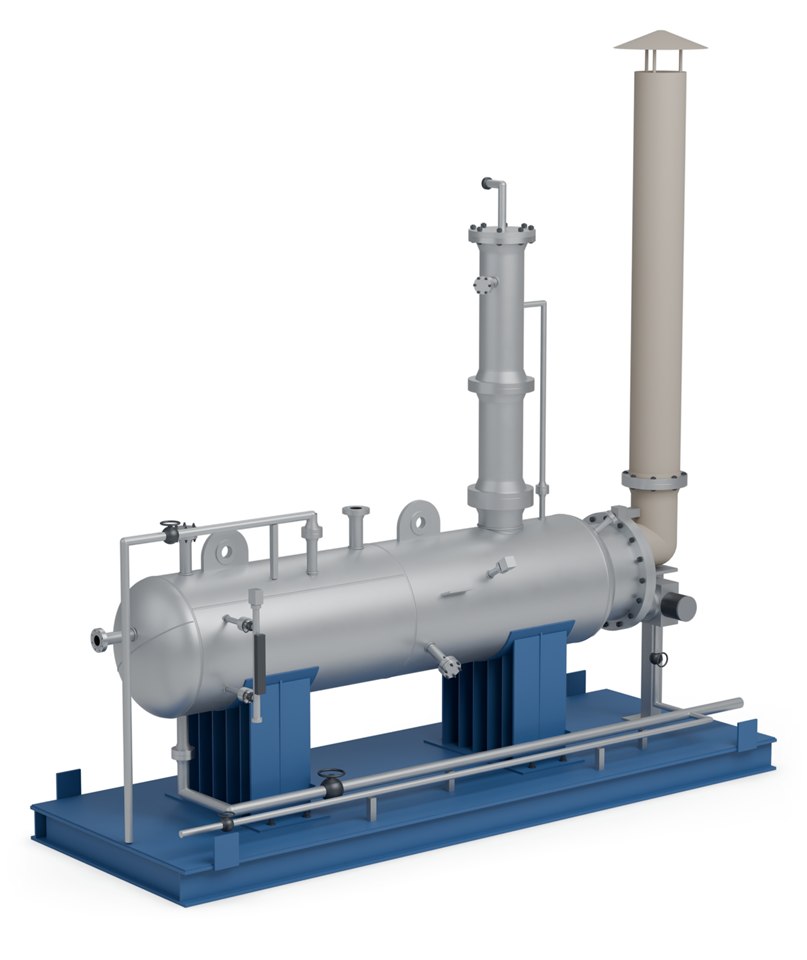
Regenerate the glycol: heat drives the absorbed water out, and lean glycol leaves the reboiler for reuse.
Also in the scope of supply
Options
Final equipment arrangement and delivery format depend on process duty, transport constraints and site requirements. Design pressure, temperature and capacity envelope to be confirmed by SPEC engineering.
Advantages
Lower initial investment than a comparable solid desiccant unit.
Glycol regeneration is simple and the process runs continuously rather than in cycles.
Glycol cannot reach the very low dew points that cryogenic processing requires, and contaminated glycol can become corrosive.
Evidence
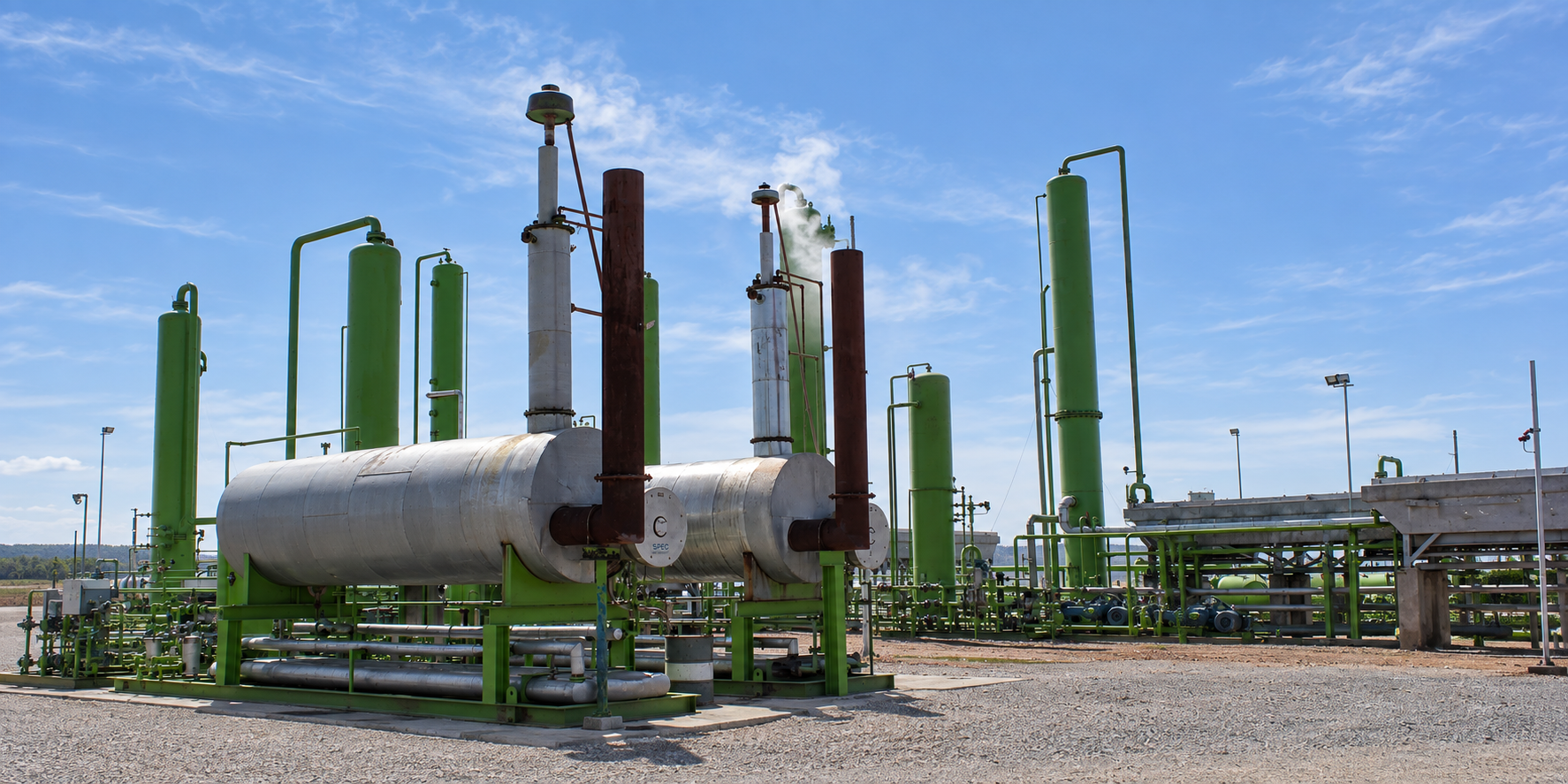
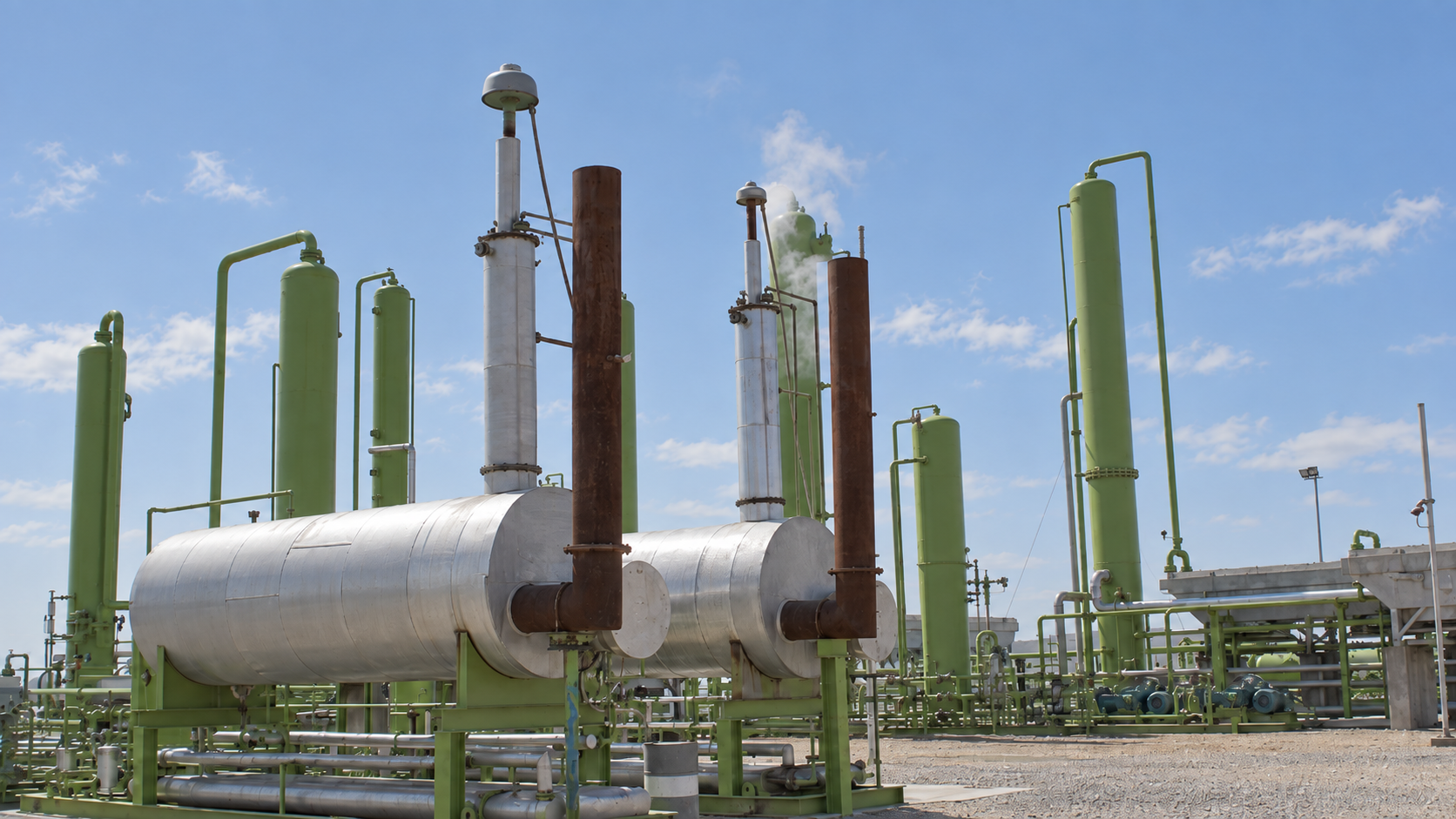
For BAPEX at the Shahbazpur gas field in Bangladesh, SPEC designed, engineered and supplied a 2 × 35 MMSCFD triethylene glycol dehydration plant, with commissioning support.
Detail
The contactor column and the regeneration skid are sized together from the inlet gas analysis and the required outlet water content. Vessels are fabricated and hydrotested in SPEC facilities before the unit is completed and shipped.

Related
Process data

Enquiries
Send us your process data and operating conditions, and we will review the duty with you.
Contact Us