Equipment
Natural gas liquids is the general term for liquids extracted from the natural gas stream — ethane and heavier products. To extract the individual components from the NGL, fractionation is typically required.
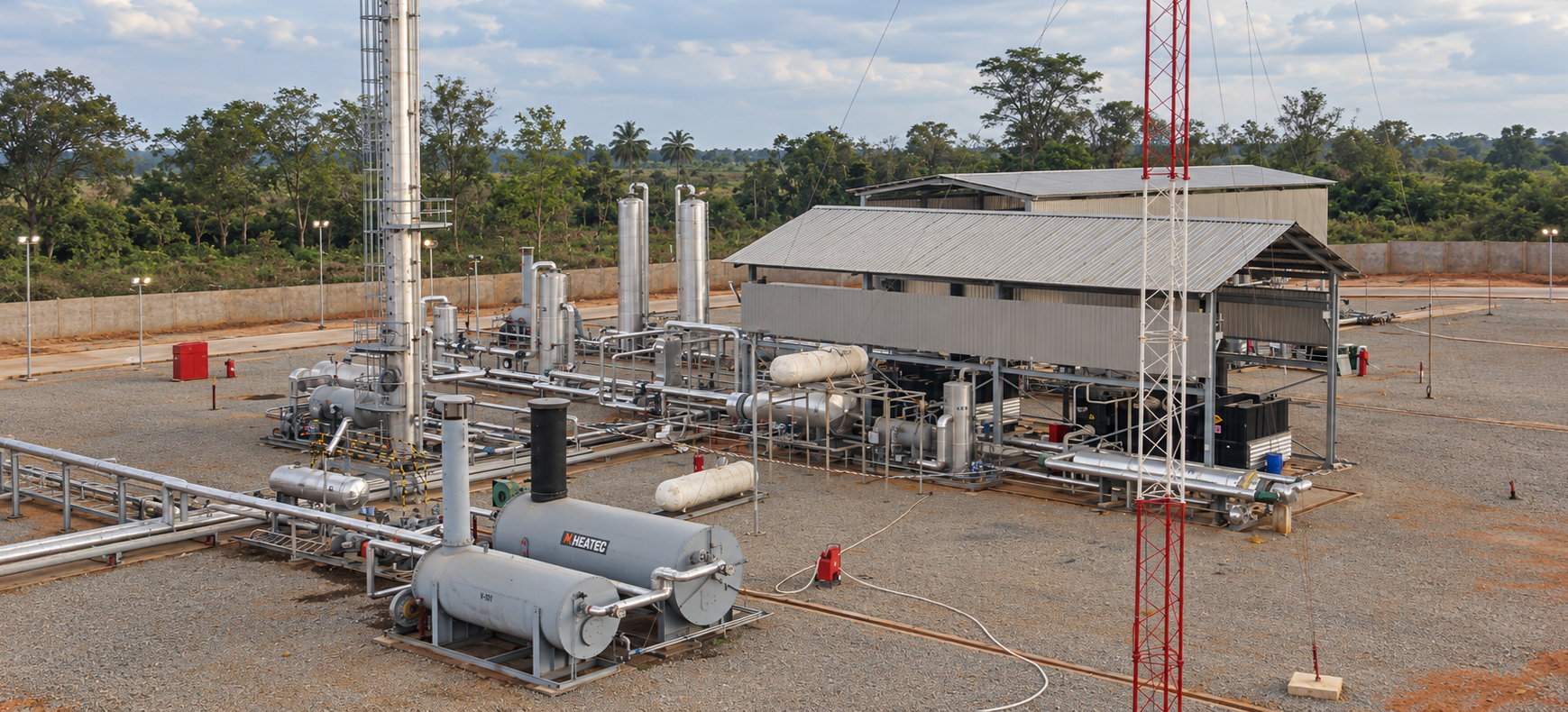
LPG Production Facility at Umutu Delta State, Nigeria 2009
View project →ScopeDe-ethaniser, de-propaniser and de-butaniser within a 100 tonne a day LPG production facility.
Application
The recovery of light hydrocarbons refers to removing ethane, propane, butane and heavier hydrocarbons from the gas stream. Depending on the requirement, hydrocarbon dew point control units or cryogenic plants extract the NGL; fractionation then separates it into products.
Process
Fractionation separates the bulk natural gas liquid into component products — ethane, propane, butane and natural gasoline (C5+), or any combination of these. A series of fractionation towers exploits the relative volatility of the individual products to achieve the separation.
Heat is introduced at the bottom of the tower, driving the more volatile components to the top of the vessel. At the same time, liquid reflux entering from the top drives the less volatile components to the bottom. Trays installed within the tower keep the vapour and liquid phases continuously in contact, which is what allows the separation to occur.
Each tower takes the most volatile of the remaining components off overhead — not 100% pure, but within acceptable limits. The first product removed is therefore ethane, the lightest, followed by propane, butane and finally natural gasoline. The fractionation train is configured to achieve the required product cuts and specifications.
System configuration
System configuration varies with process duty, operating conditions and project requirements.

De-ethaniser, de-propaniser and de-butaniser: trayed towers in series, each taking the lightest remaining product off overhead.
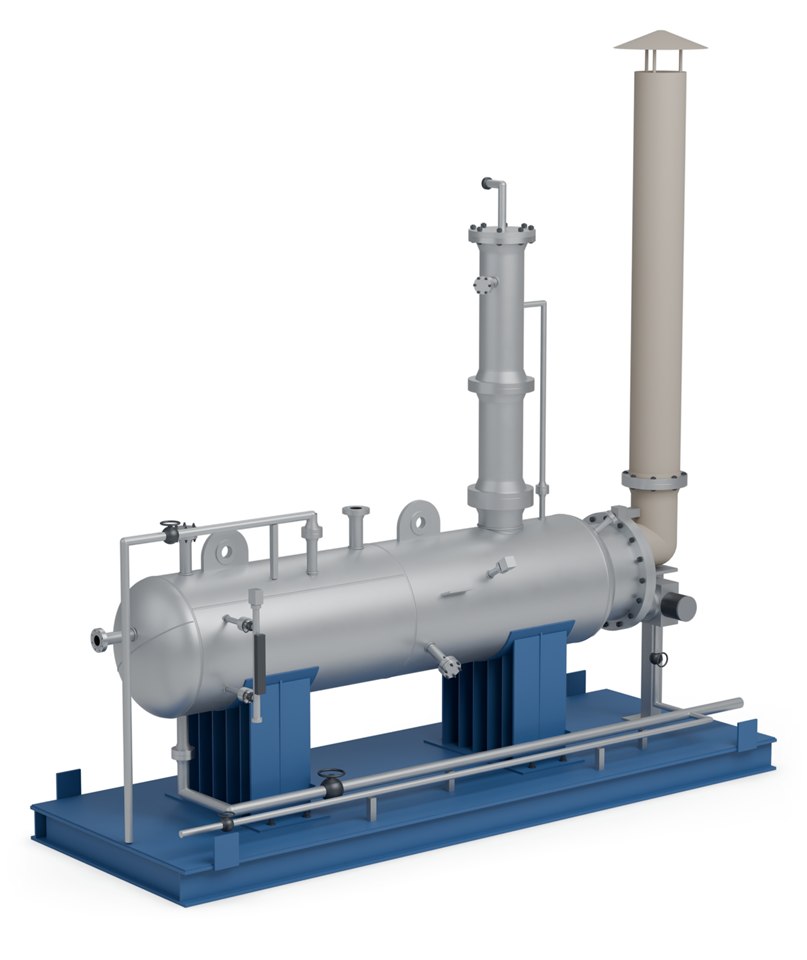
Introduce heat at the bottom of each tower, driving the more volatile components to the top.
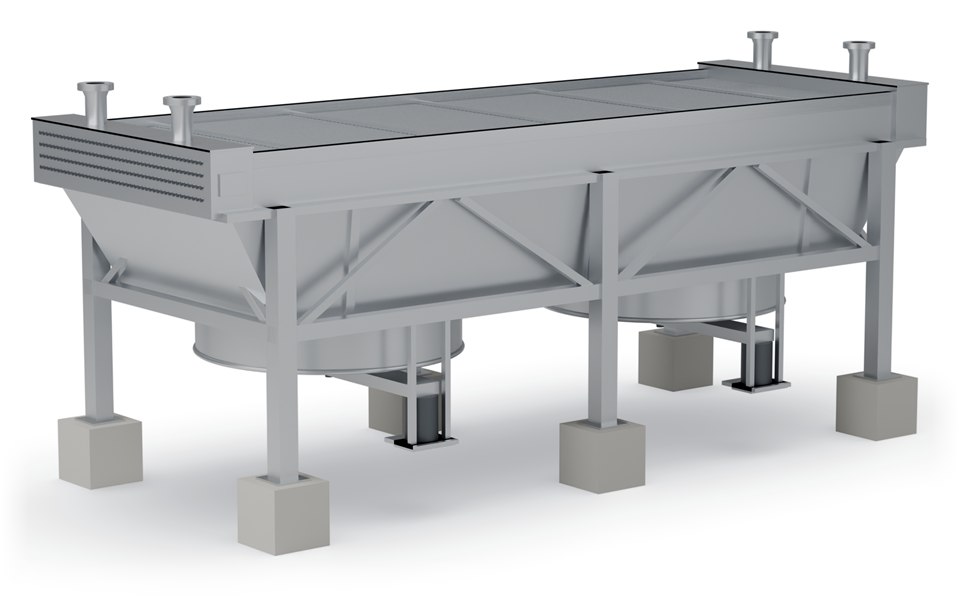
Condenses the overhead vapour leaving the de-ethaniser.
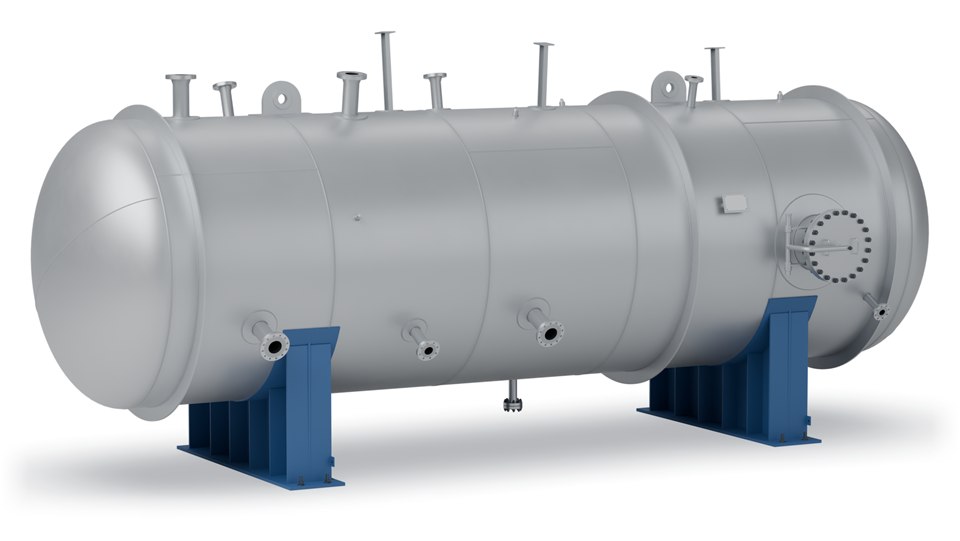
Collect the condensed overhead, which the reflux pump returns to the top of the tower.
Also in the scope of supply
Final equipment arrangement and delivery format depend on process duty, transport constraints and site requirements.
Specifications
| Removal order | Product |
|---|---|
| 1 | Ethane |
| 2 | Propane |
| 3 | Butane |
| 4 | Natural gasoline (C5+) |
Tower count, tray count and reboiler duty are designed by SPEC engineers so the final products match your specification.
Related
Where propane and butane are the target products.
View →Deep ethane and propane recovery upstream of fractionation.
View →NGL extraction where deep recovery is not required.
View →Process data

Enquiries
Send us your process data and operating conditions, and we will review the duty with you.
Contact Us